Extended Product Information
FAQs
How should I clean my Nike Air Zoom Pegasus 41s?
Gently wipe down with a damp cloth and a mild soap solution. Remove loose dirt with a soft brush. Air dry thoroughly away from direct heat or sunlight. Avoid machine washing or machine drying.
Are these shoes suitable for marathon training?
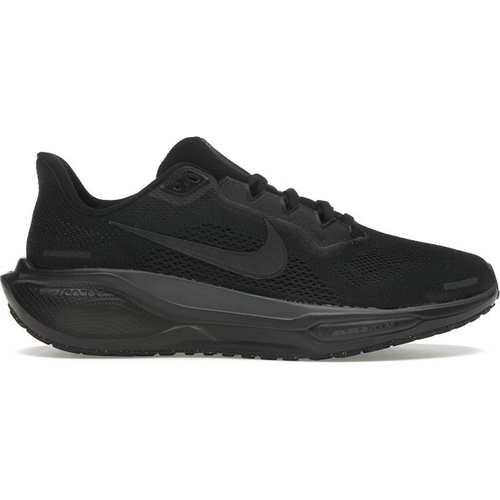
Yes, the Nike Air Zoom Pegasus 41's responsive ReactX foam and comfortable cushioning make it an excellent choice for daily mileage, long-distance training, and general preparation for marathons and half-marathons.
What is the recommended lifespan for these running shoes?
Running shoes typically last between 300-500 miles, depending on factors such as individual running style, body weight, and the surfaces you run on. Pay attention to signs of wear like reduced cushioning, flattened outsoles, or tread loss.
Can I use the Pegasus 41 for other sports like cross-training or gym workouts?
While comfortable, the Pegasus 41's design is optimized for linear running movements. For multi-directional sports, heavy lifting, or high-intensity interval training, specialized cross-training shoes with more lateral support and a flatter sole would be more appropriate.
How does the sizing of the Pegasus 41 compare to other Nike running shoes?
The Nike Air Zoom Pegasus line generally runs true to size. If you've worn Nike running shoes before, you can likely stick with your usual size. However, it's always recommended to try them on to ensure the perfect fit, especially considering individual foot shapes.
What are the main improvements of the Pegasus 41 over the Pegasus 40?
The Pegasus 41 introduces the new ReactX foam in the midsole, providing increased energy return and cushioning compared to previous models. It also features an updated, more breathable engineered mesh upper for enhanced comfort and fit.
Troubleshooting
Feet feel hot or sweaty during runs
Ensure you're wearing appropriate moisture-wicking running socks, as cotton socks can trap moisture. The engineered mesh upper is designed for breathability, but pairing it with the right socks and considering ambient temperature can further enhance comfort.
Laces frequently come untied during runs
Try using a double knot or a 'surgeon's knot' for increased security. Also, ensure you're pulling the laces tight and evenly from the bottom up to create a snug fit across your foot without over-constricting specific areas.
Experiencing discomfort or rubbing in certain areas
Allow for a brief break-in period, typically 20-30 miles, as new shoes often need to conform to your foot. Check your sock thickness and lacing technique. If discomfort persists, verify your shoe size and width, as an incorrect fit is a common cause.
Pros and Cons
Pros
- Highly responsive cushioning suitable for various run types
- Excellent comfort for long runs and daily training
- Breathable upper prevents overheating and manages moisture
- Good stability for consistent performance on paved surfaces
- Durable construction designed for high mileage
- Lightweight feel contributes to an effortless ride
Cons
- Not ideal for aggressive technical trail running
- May require a brief break-in period for optimal comfort
- Specific lacing techniques might be needed for perfect fit retention
Setup Your Nike Air Zoom Pegasus 41 is ready to wear right out of the box. For an optimal fit, ensure you lace them up correctly by starting from the toes and tightening evenly towards the ankle, using all eyelets for a secure fit. A 'runner's knot' (heel lock lacing) can be particularly effective in preventing heel slippage during your runs. ### Compatibility These shoes are primarily designed for road running, track training, and treadmill workouts. Their cushioning system is optimized for harder, urban surfaces, providing the best performance and protection. While they can handle light gravel paths or well-maintained park trails, they are not intended for technical or rugged trail running where more aggressive traction and support are needed. ### Care To keep your Pegasus 41 in top condition and extend its lifespan, clean them regularly. Remove loose dirt and mud with a soft brush (an old toothbrush works well). For more stubborn marks or general cleaning, gently scrub the upper and midsole with a mild soap (like dish soap) and cold water solution. Avoid harsh detergents. Rinse thoroughly with clean water and air dry away from direct sunlight or heat sources, as these can damage the materials and adhesives. Do not machine wash or machine dry, as this can degrade the shoe's structure and performance.




 KICKSCREW£177.00Visit shop