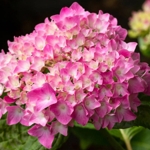
Deciduous shrub Flowers from mid-spring to midsummer Low maintenance A new, compact Deutzia variet...Deciduous shrub Flowers from mid-spring to midsummer Low maintenance A new, compact Deutzia variety with clusters of beautiful purple-tipped white flowers for many weeks from mid-spring to mid-summer. Lovely in a large pot or in the border, flowering best in full sun. A compact deciduous shrub producing long-lasting clusters of purple-tipped white flowers from mid-spring to mid-summer. Hardy and low-maintenance, 'Raspberry Sundae' suits borders or large pots and attracts pollinators. Plant in full sun in moist, fertile, well-drained soil; flowering is best in a sunny aspect. Grows to around 900 mm. After planting, water and feed to aid establishment and trim in summer if needed.
The Deutzia 'Raspberry Sundae' is a compact, low-maintenance deciduous shrub ideal for gardeners seeking continuous color from mid-spring to mid-summer, particularly those with limited space or who wish to attract pollinators. Its key benefit lies in its prolific, beautiful purple-tipped white flowers. A potential caveat is that flowering is best in full sun, requiring careful placement in shadier gardens.
All features
Model Part Number
51405291
Brand
Marshalls Garden
Extended Product Information
FAQs
What is the mature size of the Deutzia 'Raspberry Sundae'?
This compact Deutzia variety grows to approximately 900 mm (about 3 feet) in height.
When does the Deutzia 'Raspberry Sundae' bloom?
It flowers from mid-spring to mid-summer, providing a long-lasting display of purple-tipped white flowers.
Can this shrub be grown in a pot?
Yes, it is well-suited for planting in large pots or containers.
What are the soil requirements?
It prefers moist, fertile, well-drained soil.
Does it attract wildlife?
Yes, its flowers attract pollinators such as bees.
How often should I water it?
Water regularly to keep the soil consistently moist, especially during dry spells.
When is the best time to prune?
Light trimming can be done in summer if needed to maintain shape. Avoid heavy pruning, especially in late winter or early spring, as this may remove the flowering wood.
Troubleshooting
Poor flowering
Ensure the plant is receiving adequate sunlight (full sun is best) and has fertile, well-drained soil. Avoid excessive pruning in spring.
Yellowing leaves
This can indicate overwatering or poor drainage. Check soil moisture and amend soil if drainage is poor. Ensure consistent watering, but avoid waterlogged conditions.
Leggy growth
This may be due to insufficient sunlight or overcrowding. Relocate to a sunnier spot if possible. Lightly trim in summer to encourage bushier growth.
Pros and Cons
Pros
Long blooming period provides sustained visual interest.
Compact size is suitable for various garden sizes and container planting.
Attracts beneficial pollinators to the garden.
Low maintenance requirements save time and effort.
Unique flower color combination adds decorative appeal.
Cons
Flowering is best in full sun, which may limit placement options.
Requires moist, fertile, well-drained soil for optimal growth.
May require trimming in summer if growth becomes too extensive.
Setup, Compatibility & Care
**Planting:
Select a location that receives full sun for the best flowering.
Ensure the soil is moist, fertile, and well-drained.
Dig a hole twice the width of the root ball and of a similar depth.
Place the plant in the hole, ensuring the top of the root ball is level with the soil surface.
Backfill the hole with soil and firm gently.
Water thoroughly after planting.
Care:
Watering: Water regularly, especially during dry periods, to maintain moist soil.
Feeding: Feed after planting to aid establishment. A general-purpose fertilizer can be applied annually in spring.
Pruning: Trim lightly in summer if needed to maintain shape. Avoid heavy pruning, as this can remove flowering wood.
Pest & Disease: Generally resistant, but monitor for common garden pests.



 B&Q£14.99Visit shop