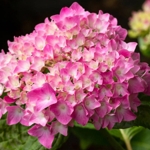
Syringa Palibin, commonly known as Korean Lilac, is a captivating deciduous shrub cherished for it...Syringa Palibin, commonly known as Korean Lilac, is a captivating deciduous shrub cherished for its fragrant light pink blooms and compact size. This low-maintenance shrub thrives in borders, cottage gardens, or patio containers, where its cold-hardy nature makes it an excellent choice for gardens in colder climates. The dark green foliage fills the plant well before being joined by lilac shaded flowers, giving the plant a classy look and bringing fragrance to proceedings in both Spring and Summer. Syringa Palibin attracts butterflies, adding to its allure for wildlife-friendly landscapes. To ensure its well-being, plant this delightful shrub in well-draining soil and water it regularly, keeping the soil consistently moist but not waterlogged. Providing full sun exposure will support its optimal growth and showcase the enchanting beauty of Syringa Palibin in your garden. Moist, well-drained soil and exposure to full sunlight is best for this plant, alongside approximately two inches of water every week. Please Note: Images are for illustrative purposes only and designed to be a representation of the item(s) being sold. Depending on seasonality, deciduous plants may be supplied in their dormant state and without leaves. Plants may also be pruned back, lower than stated heights, to encourage new growth.
This guide is for gardeners seeking to add the elegant Syringa Palibin, also known as the dwarf lilac, to their gardens. The Syringa Palibin offers beautiful lilac-shaded flowers and fragrance throughout spring and summer, enhancing any garden's aesthetic. However, it requires well-drained soil and consistent watering to thrive. This guide covers everything from setup and care to troubleshooting common issues, ensuring you can enjoy this plant's beauty for years to come.
All features
Brand
Gardeners Dream
Extended Product Information
FAQs
How much sunlight does Syringa Palibin need?
It requires full sunlight, which means at least 6 hours of direct sunlight per day.
How often should I water my Syringa Palibin?
Water approximately two inches every week, particularly during dry periods. Make sure the soil is well-drained.
When is the best time to prune Syringa Palibin?
Prune after the flowering period to maintain its shape and encourage new growth.
What type of soil is best for this plant?
It thrives in moist, well-drained soil.
How can I encourage more blooms?
Ensure it receives full sunlight and prune it appropriately after flowering.
Is Syringa Palibin deer resistant?
While it is not entirely deer-proof, it is generally less attractive to deer compared to some other plants.
What are the common problems with this plant?
Yellowing leaves can be an issue related to overwatering. Also, ensure enough sun exposure to prevent failure to bloom.
Troubleshooting
Yellowing leaves
Check for overwatering or poor drainage. Adjust watering habits and ensure the soil drains well.
Failure to bloom
Ensure the plant receives adequate sunlight. Also, prune the plant after it flowers.
Pests or diseases
Inspect the plant regularly for pests or diseases. Treat promptly with appropriate remedies.
Pros and Cons
Pros
Adds beauty and fragrance to your garden.
Relatively low maintenance once established.
Compact size suits smaller gardens and spaces.
Attracts pollinators like bees and butterflies.
Cons
Requires well-drained soil to prevent root rot.
Needs regular watering, especially during dry periods.
May be susceptible to certain pests or diseases.
Flowers last for a limited period (spring/summer).
Setup, Compatibility & Care
Setup:
Choose a planting location with well-drained soil and full sunlight.
Dig a hole twice as wide as the root ball and the same depth.
Gently loosen the roots before planting.
Place the plant in the hole and backfill with soil, ensuring the top of the root ball is level with the ground.
Water thoroughly after planting.
Compatibility:
Syringa Palibin is compatible with a wide range of plants, including perennials, shrubs, and ornamental grasses. Be mindful of sunlight requirements.
Ensure that the surrounding plants have similar water and soil needs.
Care:
Watering: Water approximately two inches every week, especially during the growing season. Ensure proper drainage to prevent root rot.
Soil: Plant in moist, well-drained soil.
Sunlight: Expose to full sunlight for optimal growth and flowering.
Pruning: Prune after flowering to maintain shape and encourage new growth. Remove any dead or damaged branches.
Fertilizing: Fertilize in early spring with a balanced fertilizer.


 Gardeners Dream£5.24Visit shop
  B&Q£10.49Visit shop